
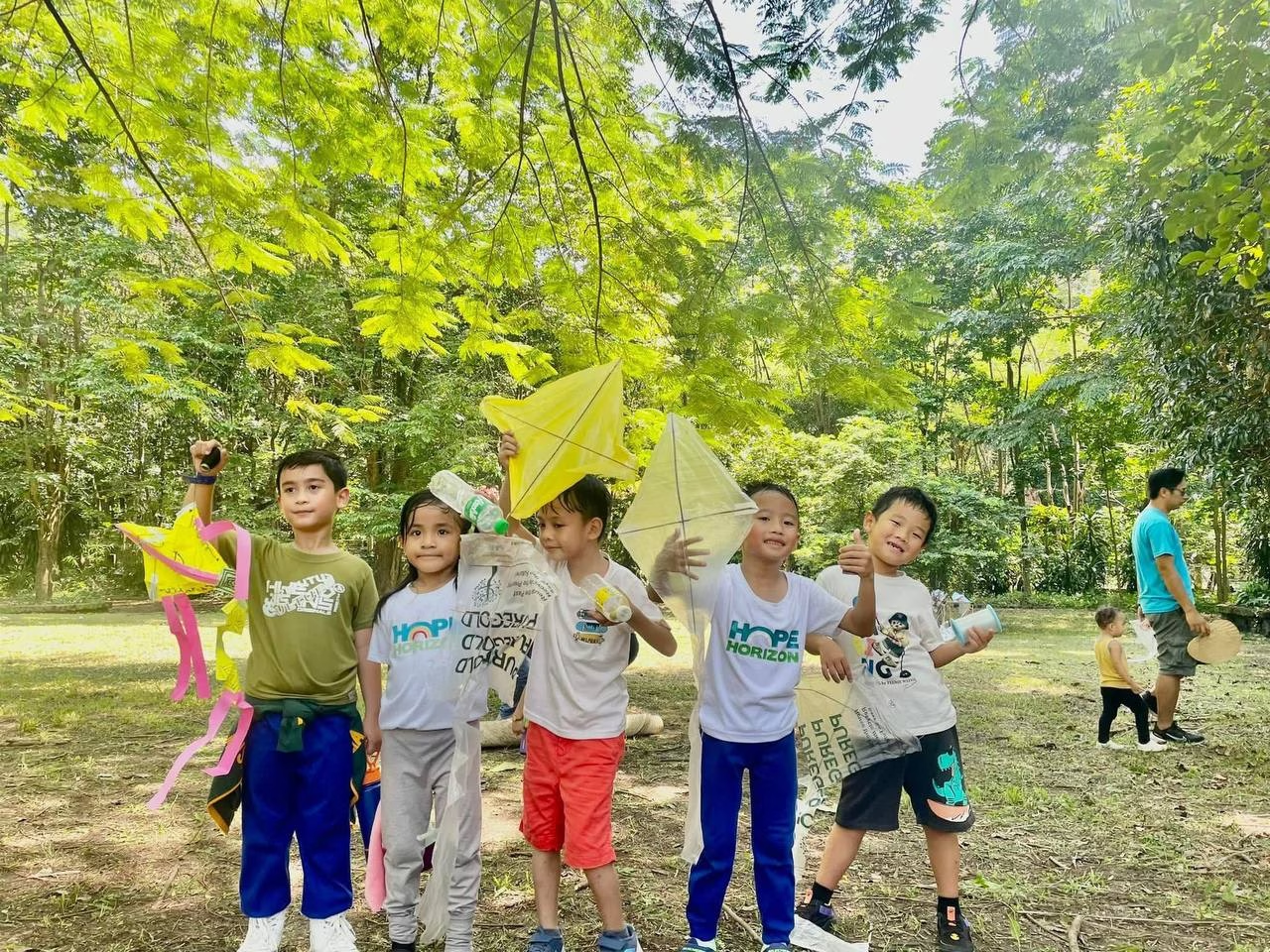
Discover how nature-based play fosters physical health, emotional resilience, and critical thinking in children—and how urban communities can overcome a lack of green spaces.
In an increasingly digital world where children are exposed to significant screen time, educators and child development researchers are pointing toward a transformational learning methodology: nature-based play and outdoor learning. Stepping outside the classroom offers holistic developmental benefits that traditional indoor settings simply cannot replicate. However, as urban areas expand, reduced access to natural green spaces presents a growing challenge for families and schools trying to integrate nature into daily routines.
The Holistic Benefits of Nature-Based Play
Nature-based play treats learning not as passive reception, but as an active, sensory-rich experience that engages every dimension of a child’s growth:
- Physical Health and Motor Development: Active play outdoors encourages movement, physical strength, and coordination essential for growing bodies.
- Mental Well-Being and Stress Reduction: Natural environments exert a calming effect on young minds, helping reduce anxiety and stress while offering an essential antidote to excessive digital screen time.
- Cognitive Skills and Curiosity: Unstructured outdoor settings spark natural curiosity, inspiring creative problem-solving, critical reasoning, and deeper concept retention.
- Social and Emotional Growth: Outdoor activities foster effective communication, peer teamwork, empathy, and social collaboration among young learners.
- Environmental Stewardship: Direct, hands-on interaction with living plants and ecosystems instills an early sense of care and responsibility for the planet.
Navigating the Urban Challenge: Overcoming Reduced Green Spaces
Despite these compelling advantages, urban environments frequently limit children’s access to natural wild spaces. Rapid infrastructure growth, dense housing, weather disturbances, and safety concerns often reduce the availability of parks and open play areas.
To ensure children do not miss out on nature-based learning, parents, schools, and urban communities must adopt creative solutions:
- Micro-Nature Experiences: Even small natural interactions—such as gardening, soil exploration, observing backyard insects, or walking through tree-lined streets—provide vital sensory engagement.
- Community and School Partnerships: Neighborhoods can establish community gardens and green learning hubs to provide safe, accessible spaces for experiential outdoor lessons.
- Hands-On Experiential Curriculum: Schools can incorporate outdoor science experiments, nature walks, and environmental projects into their regular study units, enriching student enthusiasm and retention.
A Shared Responsibility for the Future
Reconnecting children with nature requires intentional planning and collaboration between parents, educators, and local leaders. By prioritizing green spaces and outdoor learning opportunities, communities can ensure that children grow up with strong physical health, emotional resilience, and a lifelong curiosity about the world around them.